Friends of Bennerley Viaduct is a charity and relies on donations, fundraising and the support of its dedicated volunteers to keep going.
There are three main ways that you can help us keep the viaduct open for all:
- You can donate to the charity
- You can join us and become a member
- You can volunteer with us, giving your time and skills to help us succeed.
Donate
When you donate to the Friends of Bennerley Viaduct, you are supporting our ongoing work to make the viaduct accessible, and develop a dynamic visitor attraction in the Erewash Valley. We lease the viaduct from its owners, Railway Paths Ltd, because we believe it should be open to everyone, a place to explore history and nature, spend time together outdoors, and inspire new connections. Our staff and volunteers are responsible for all work to keep the viaduct open for visitors, and to tell its stories to the world. Although we have received funding from organisations such as the National Lottery Heritage Fund, we do not receive regular, guaranteed public money: we need your help to survive. In addition to a one off donation, you please do consider becoming a member, or volunteering your time and skills.
There are several ways to donate to our charity, and every donation is deeply appreciated: you are making a difference.
- Direct donation
To make a direct donation, select the amount that you wish to donate, your payment method and (optionally) your email address below and click “Next” to either complete a gift aid declaration or decline to do so. If you retain “Online” as your payment method you will then be taken to PayPal’s gateway, to make payment using either a PayPal account or a credit or debit card. If you select “Cheque” or “Bank Transfer” as payment methods, you will be given a payment reference to use so that we may account for your donation correctly.
- Donate through JustGiving
Click the link to donate securely and find out more about our current fundraising campaign.
Join us
We need your support to keep the ‘Iron Giant’ thriving. If you’re not already a member of The Friends of Bennerley Viaduct, why not join us? The fee is £10 a year, or £50 for a lifetime membership. Personal data provided to us is protected by our privacy policy.
Benefits of being a Friend:
- Know you are directly supporting keeping this unique heritage icon open for all
- Voting rights at our AGM: have our say in our democratic organisation
- Members-only newsletter
- 10% off merchandise
- First-look tickets for our events and activities
- Socialise at our regular meetings.
To join or renew your membership enter the following details below and click “Next”.
We take our responsibility for respecting your data privacy seriously. You can read why we request this information and what we do with it in our privacy policy.
Volunteering
At Bennerley we have an amazing team of supporters who volunteer their time to help us. This can be a one off day or more regularly. We have a variety of roles that could suit you, or tell us your ideas about how you could help:
- Our ranger team keep the viaduct safe and clean for the visitors,
- Work party members meet monthly to improve the woodland nature reserve
- Those on the events and merchandise team make links in the community, to raise funds for us.
- Tour guide and presentation teams: do you love history and communicating stories to the public? We have a lovely team who deliver tours and presentations to groups.
- Office volunteers help us keep the charity in business by writing newsletters, social media, and helping at the office.
You can volunteer as much or as little as you like, on your own or in a team. Get in touch via our Contact Us page to hear more. We also do corporate volunteering days.
Our Project
Saving the “Iron Giant”
Background
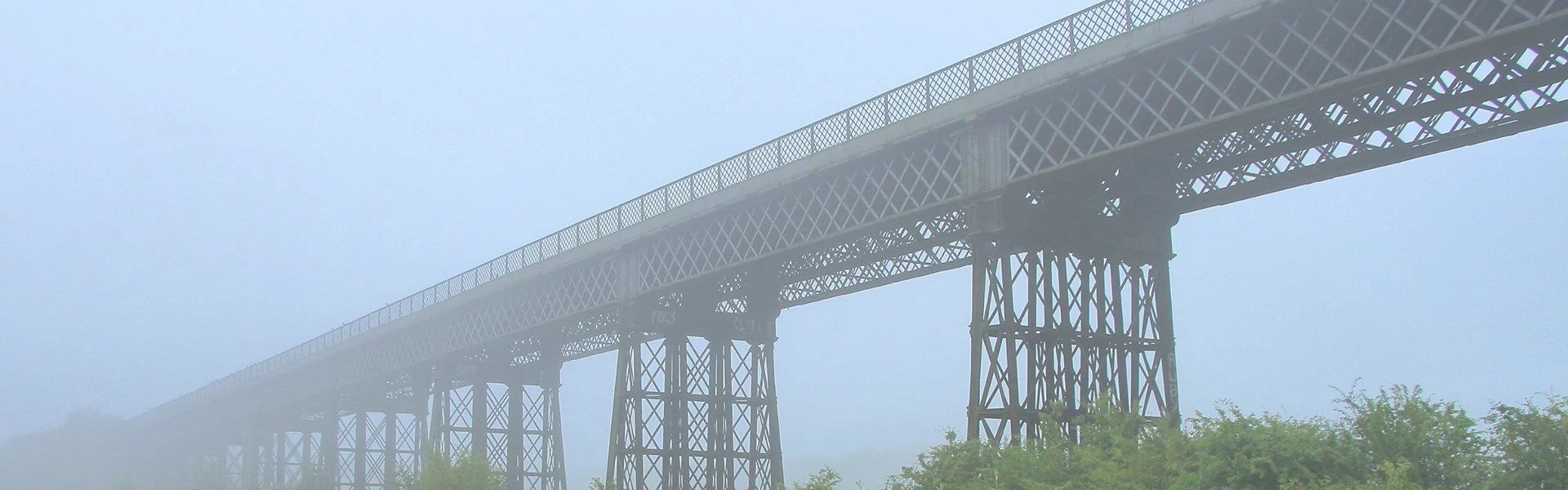
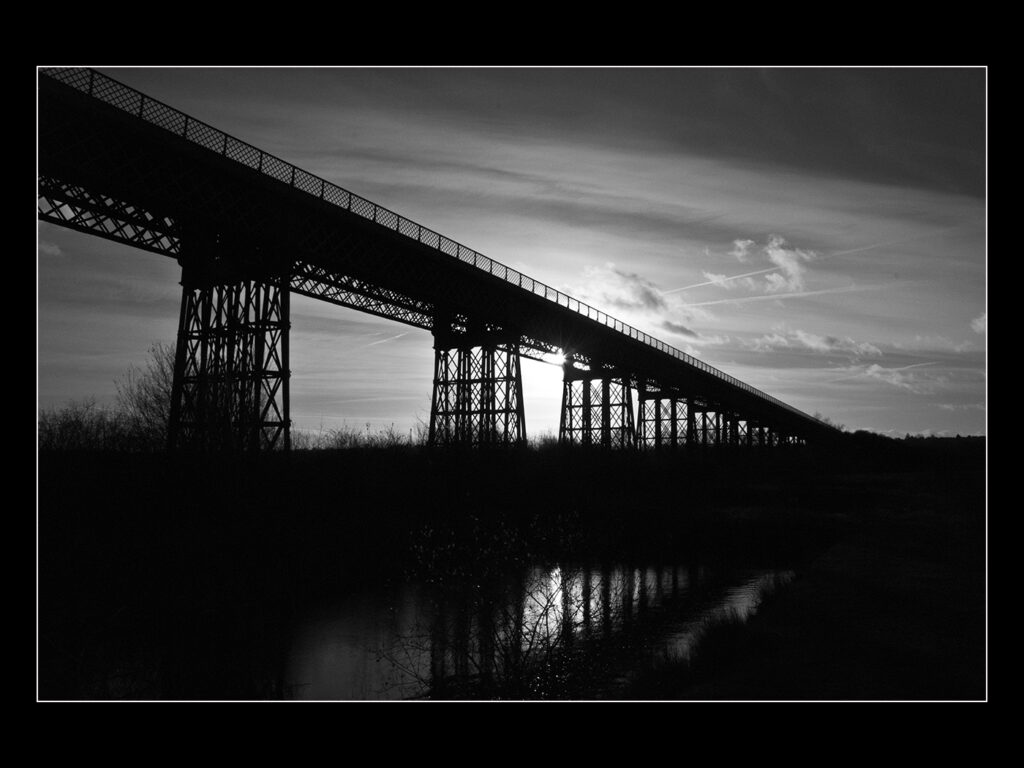
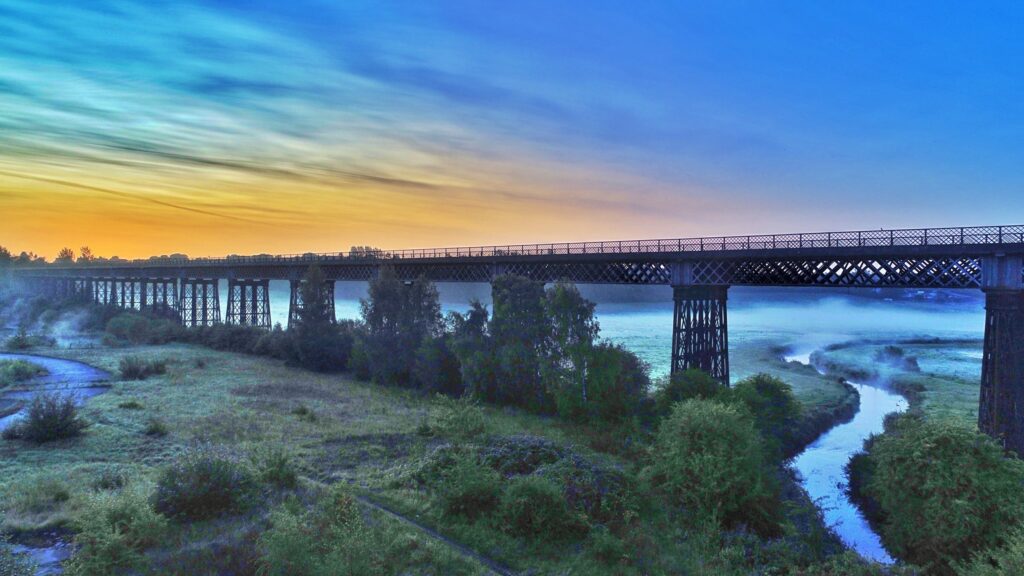
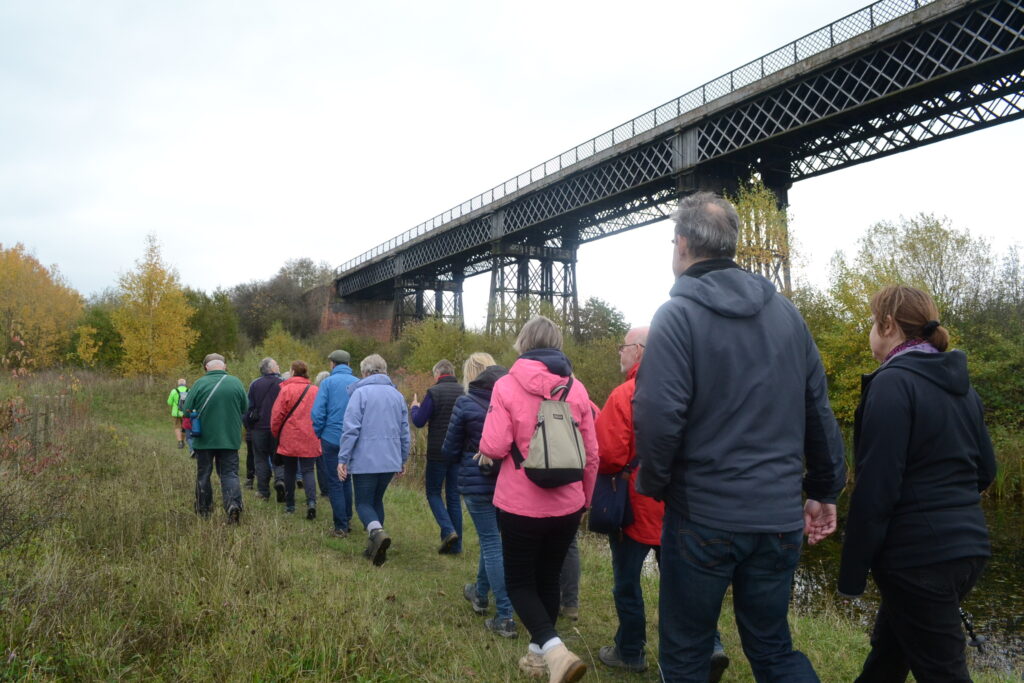
Bennerley Viaduct is a rare, 430 metre long wrought iron viaduct on the Nottinghamshire / Derbyshire border. Built in 1877 to carry the Great Northern Railway line over the Erewash Valley, it is an outstanding example of Victorian railway architecture, surviving in an almost unaltered state. It is one of only two wrought iron viaducts left in the UK. Historic England recognised its importance in 1974 by granting it a Grade II* listing (Historic England list entry 1140437). On a global scale, most wrought iron viaducts have now been demolished.
Demolition attempts
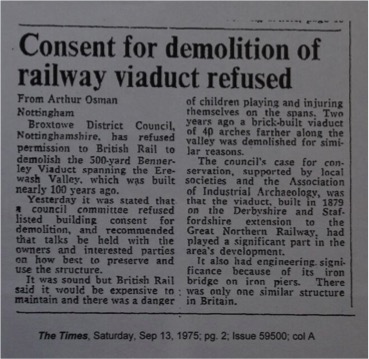
Following the closure of the Great Northern Line in 1968, the tracks and embankments were removed, leaving the viaduct unconnected and without any useful function. In 1974, the uncertainty surrounding the viaduct’s future led to it being registered as ‘Heritage at Risk’ by Historic England. A year later, British Rail applied to demolish the viaduct but both Erewash and Broxtowe Borough Councils councils refused permission. A public Inquiry was held in 1980 at which British Rail continued to seek demolition. However, the local community proposed an alternative vision to bring the viaduct back into use as a walking and cycling trail. The threat of demolition was averted while feasibility studies were undertaken. Unfortunately, local groups did not have the resources at that time to bring this idea to fruition.
New ownership
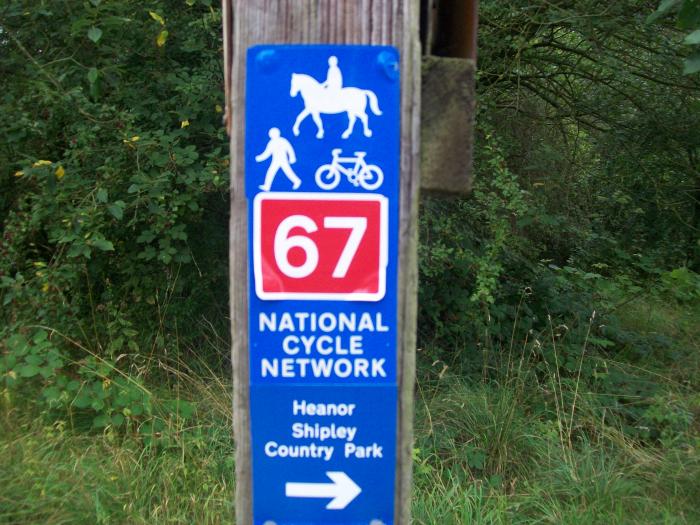
In 1998, when the rail network was privatised, the viaduct passed into the ownership of Railway Paths Ltd, a sister charity to Sustrans, the national walking and cycling charity who are the principal custodians of the National Cycling Network. Over 300 miles of redundant rail trackbed had been given to Sustrans with the intention that these routes be brought into public use or incorporated into the growing National Cycling Network.
2015 – 2017: Rediscovering Bennerley Viaduct
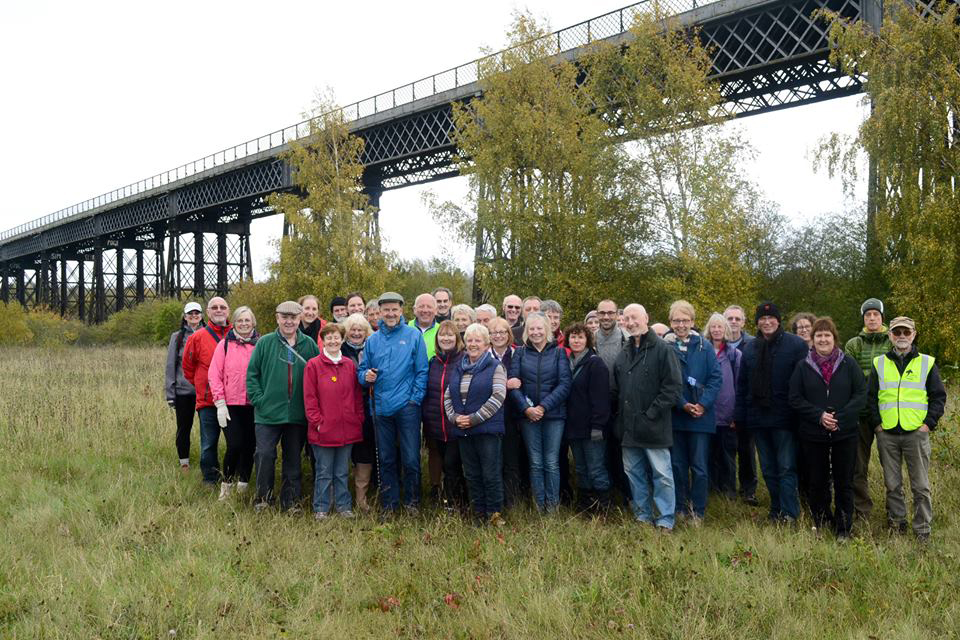
A significant development in the viaduct’s recent history was the highly successful Heritage Lottery funded project “Rediscovering Bennerley Viaduct” (2015 – 2017). This Sustrans led project raised the profile of the viaduct and inspired the local community to take a fresh interest in restoring and re-opening the structure. An integral part of this project was the creation of the Friends of Bennerley Viaduct (FoBV), a thriving community group who are passionate about bringing the structure back into use. An ambitious £8 million project was proposed to restore and repurpose the structure with a £4.6m bid being submitted to Heritage Lottery in 2017. Although the bid was not successful on its first attempt, Heritage Lottery considered the project was a strong one recommending its resubmission. In early 2018, Sustrans announced that due to other priorities within their organisation, they no longer wished to lead on taking the Bennerley Viaduct project forwards.
2018 – 2021: Access to Heritage
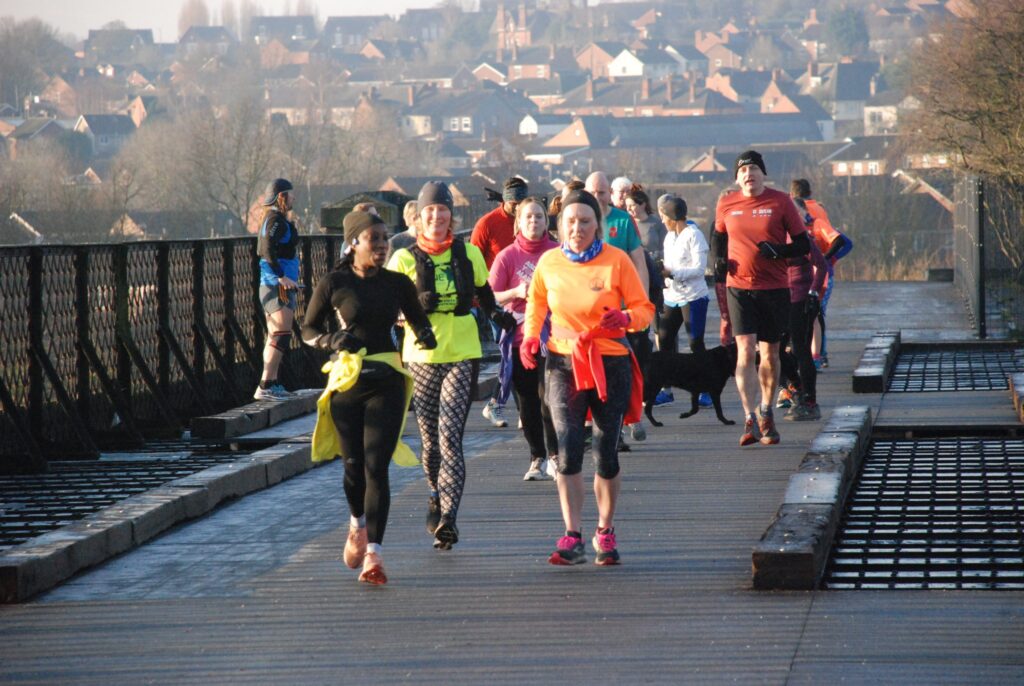
Since 2018, the FoBV have been working in partnership with the viaduct’s owners, Railway Paths Limited, as part of the “Access to Heritage” project. The project had three phases which included: carrying out critical repairs, constructing a western ramp and installing a deck. This £1.8m project resulted in the re-opening of Bennerley Viaduct in January 2022 after 54 years of closure. We thank the funders for their generosity.
Ten Year Vision 2022 – 2031
The FoBV trustees have set out their vision for the development of the Bennerley Viaduct and its surroundings as a successful, financially viable heritage attraction and community asset. The full document can be viewed here.
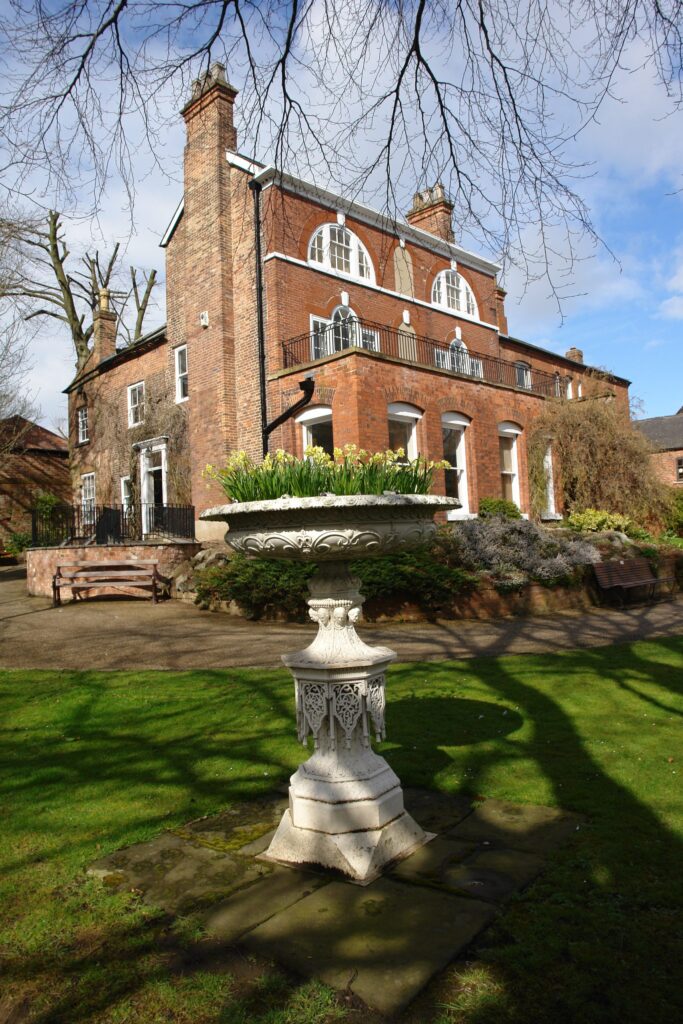
The development of greater links to, and working partnerships with, the Erewash Canal and the Erewash Museum, present the possibility of an ‘Heritage Hub’ which will contribute to the revitalisation and regeneration of the area.
The Friends of Bennerley Viaduct (FoBV) recognise that it has to be ambitious in its vision and must consider the long-term development of its role within the community, the region and the heritage sector. Over the next 10 years, the development of the Viaduct is envisaged in three phases.
Phase one:
March 2022 to February 2024 – Bridging the Gap
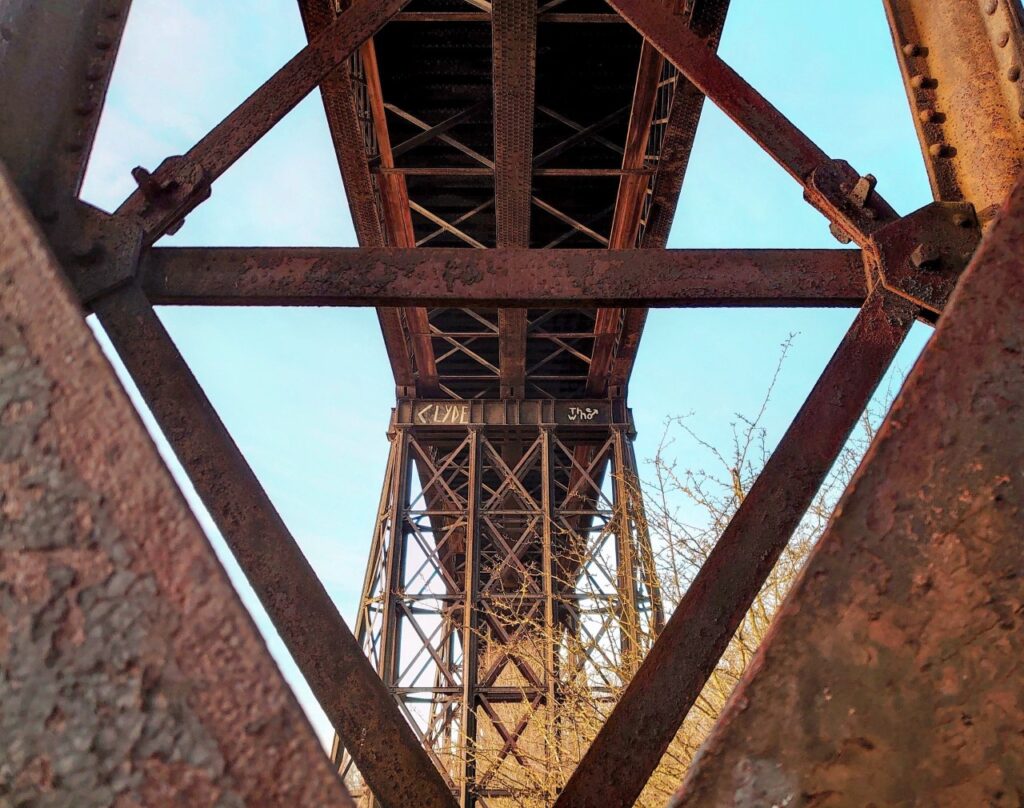
Bridging the Gap will build the skills and capacity within the FoBV for the successful development of the Viaduct as a visitor attraction, a community asset and a pivotal partner in the regeneration of area.
This phase includes full and part time staff to undertake the project management and maintenance of the natural environment and community engagement. It will contain funding to build important, long-term partnerships with the other neighbouring heritage attractions and test the concept of a ‘Heritage Hub’.
The project will allow the FoBV to develop the skills required and experience needed to take on the lease of the Viaduct and to develop its future.
It is hoped that a close relationship with the adjoining landowner should allow the FoBV to purchase pockets of land. During this phase, it is hoped that land between Shilo Way and the eastern end of the viaduct will come under ownership of the FoBV. This will enable the ambitions set out in Phase 2 to be realised.
Phase Two:
2024 to 2027 – Increased Access and Visitor Facilities
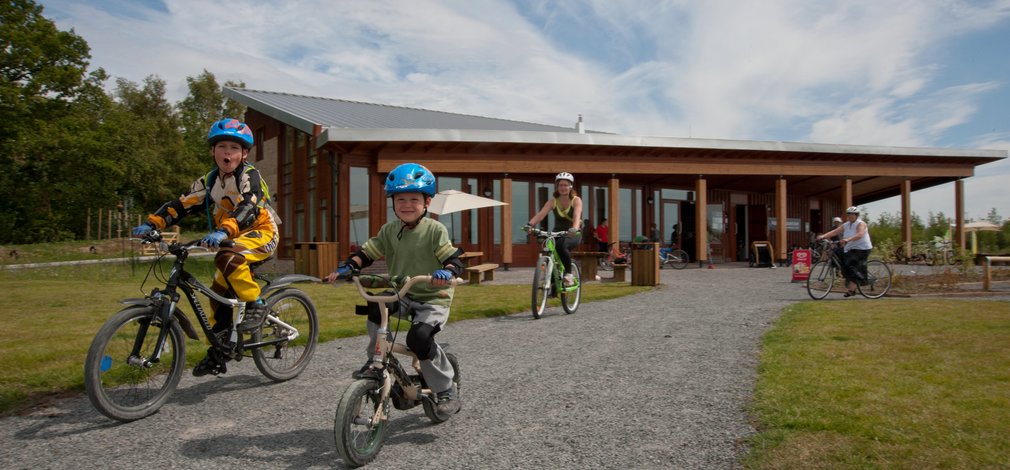
During this phase it is hoped to increase physical access and connections to public rights of way and develop visitor facilities. It will include:
- Building an Eastern Ramp
- Creating a Visitor Centre and café building
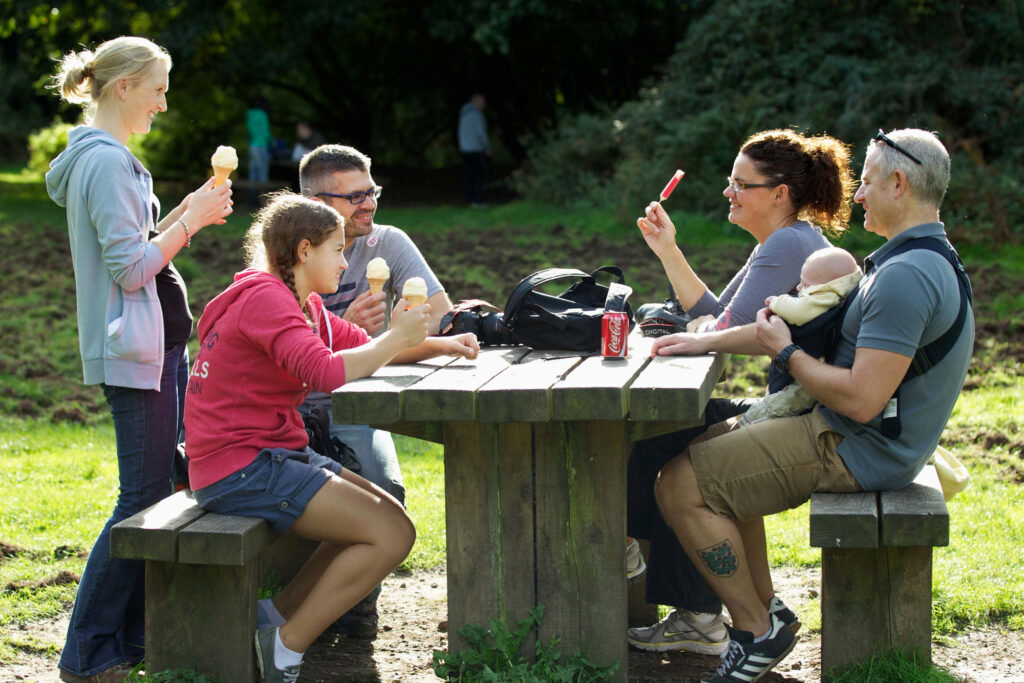
- Creating picnic areas for visitors to rest and enjoy the viaduct and its surroundings
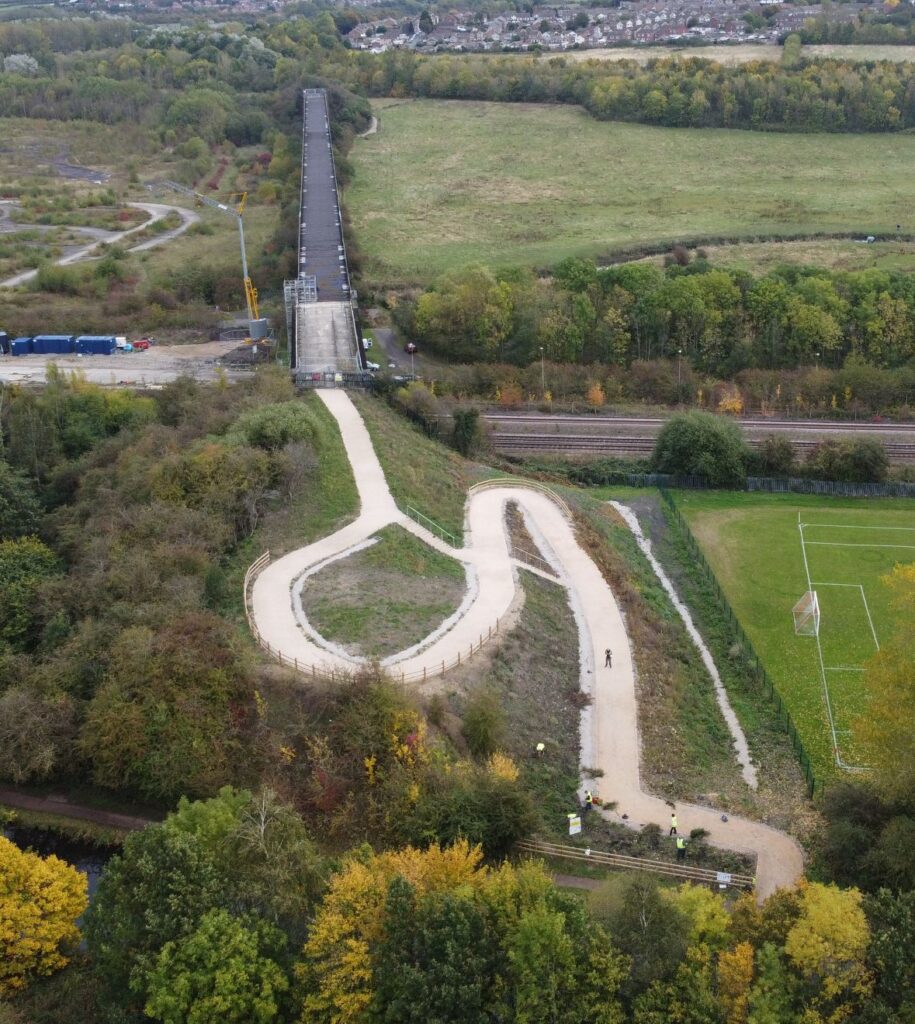
With the acquisition of land, the construction of an Eastern Ramp will provide a fully accessible link from the Viaduct to the Nottingham Canal and Shilo Way, to create walking and cycling access for visitors to and from the Nottinghamshire area. This will be important in the development of the Great Northern Greenway. It will also make possible further development of links to public transport. It is the FoBVs’ intention not to be reliant upon car borne visits, but to ensure that the attraction becomes easily accessible by public transport, on foot and by cycle.
The increased accessibility of the Eastern Ramp and added facility of a café will allow the FoBV to become more ambitious in its calendar of events and increase the financial income, creating greater sustainability and opportunity for continued development.
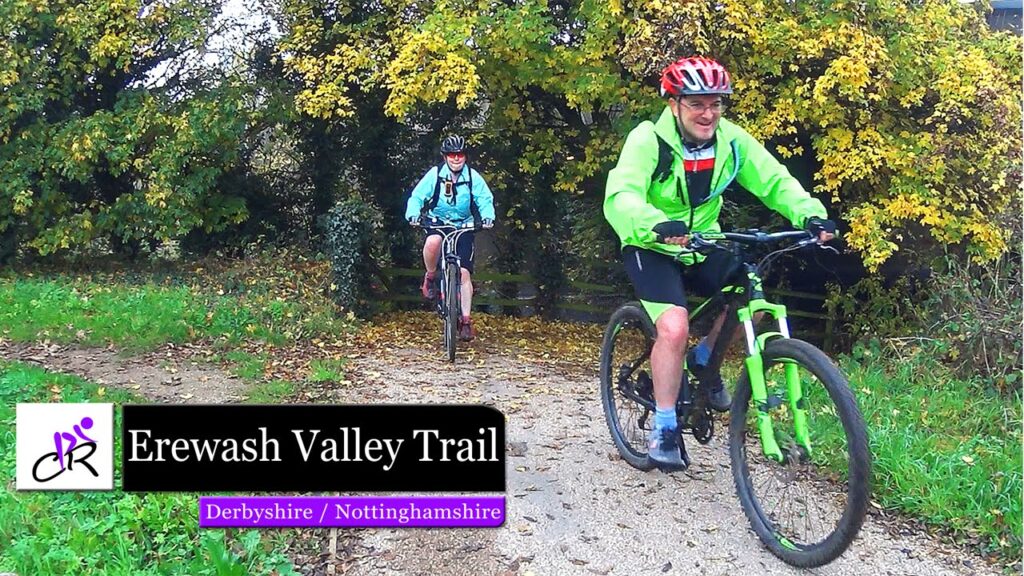
The two canals of Erewash and Nottingham already form a major part of the Erewash Valley Trail. The Eastern Ramp and a visitor centre will link the Erewash Museum, Erewash Canal, the Bennerley Viaduct and the D. H. Lawrence Birthplace in Eastwood in a heritage landscape in the same model as the Ironbridge Gorge. It is hoped that these individual attractions will together create a greater whole, communicating the important cultural and industrial heritage of the area.
The attractions tell the story of the area, its people and its industrialisation, but also that of the industrialisation of Britain, through the canal and railway systems, steel and coal industries. Equally, the two canals and the surrounds of the viaduct have a more modern narrative of care and management of the natural environment.
Phase Three:
2027 to 2031 – Consolidation of the Viaduct as a Sustainable Heritage Attraction
By 2027, the viaduct is a popular, accessible and financially viable heritage attraction, providing a full calendar of successful visitor events. It has physical links to the Erewash Valley Trail including the Erewash and Nottingham canals and is part of the Great Northern Greenway. The public transport links have become well used and are facilitating a successful working partnership with the Erewash Museum. Bennerley Viaduct becomes incorporated into the National Cycling Network managed by Sustrans.
The Visitor Centre allows visitors to explore the history of the viaduct, the surrounding site, the Great Northern Railway and the Erewash and Nottingham Canals. It will partner with the Canal Lock Cottage at Sandiacre and the Erewash Museum, and be accessible between both by foot and short public transport journeys.
The Heritage Hub provides exciting and engaging attractions to explore the heritage of the area, the beautiful natural environment, canal side walks and cycling.
Opportunities
Sustainable Travel
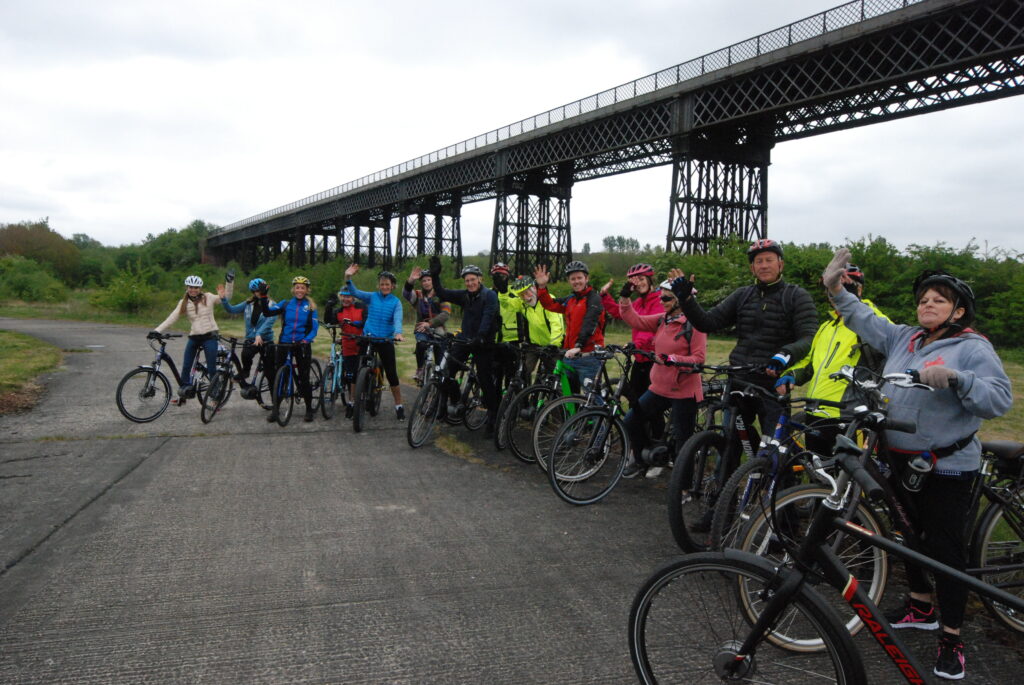
The viaduct offers an important new link in the area’s walking and cycling network, opening up local access to the industrial and natural heritage of the Erewash Valley and increasing active recreation. This project provides the opportunity to develop further infrastructure which promotes sustainable travel over a much wider area.
Heritage Tourism
The opening of the viaduct has attracted heritage related tourism, and will present opportunities to create links and partnerships with other local heritage destinations such as the nearby World Heritage designated Derwent Valley Mills, the Midland Railway Trust at Butterley , the Ecclesbourne Valley Railway and the Erewash Museum.
International Links
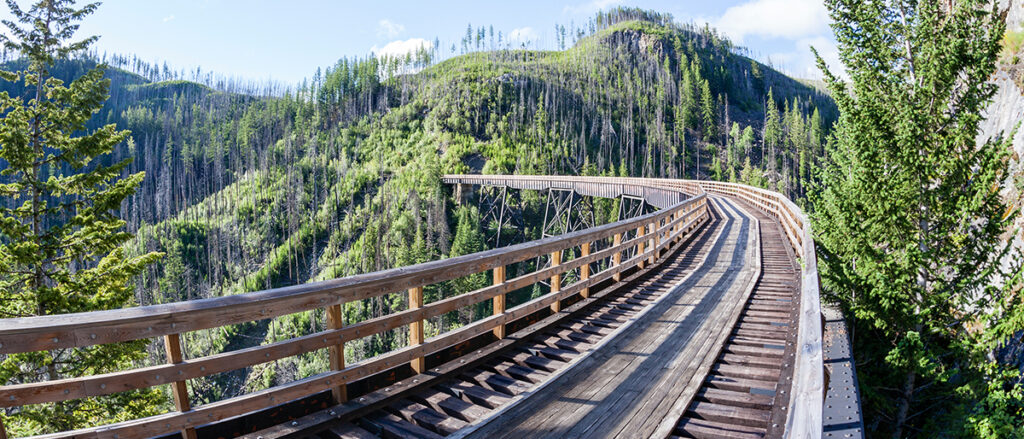
There are exciting opportunities to create international links with other projects where redundant railway infrastructure has been repurposed and given a sustainable future. We intend to develop a formal relationship with other inspirational schemes like the High Line in New York, the Promenade Plantee in Paris and the Myra Canyon Trail in British Columbia. These schemes have transformed neighbourhoods and created a vibrant heritage related tourist economy.
Empowerment
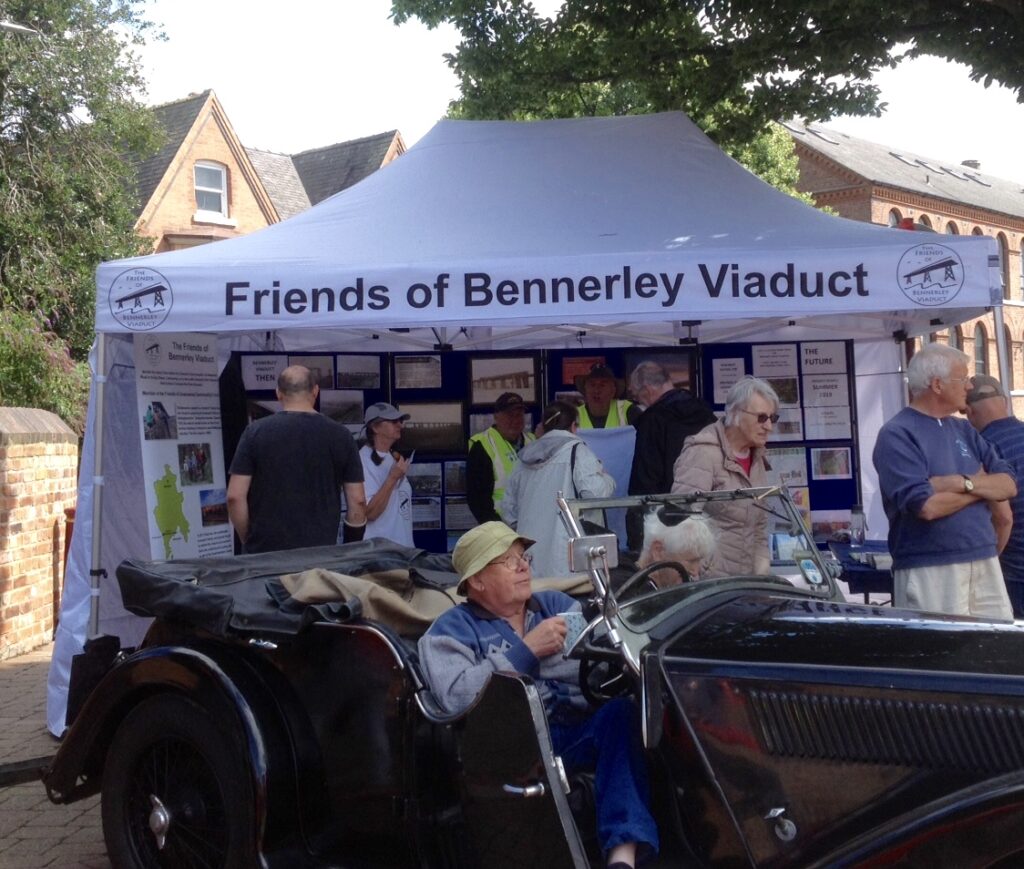
The FoBV is empowering local people to bring about positive change within their community. Participation in the project provides opportunities to acquire new skills and confidence. The project is enabling local people to become actively involved in the regeneration of their community. The heritage rich site generates local pride and builds community resilience.
Educational opportunities
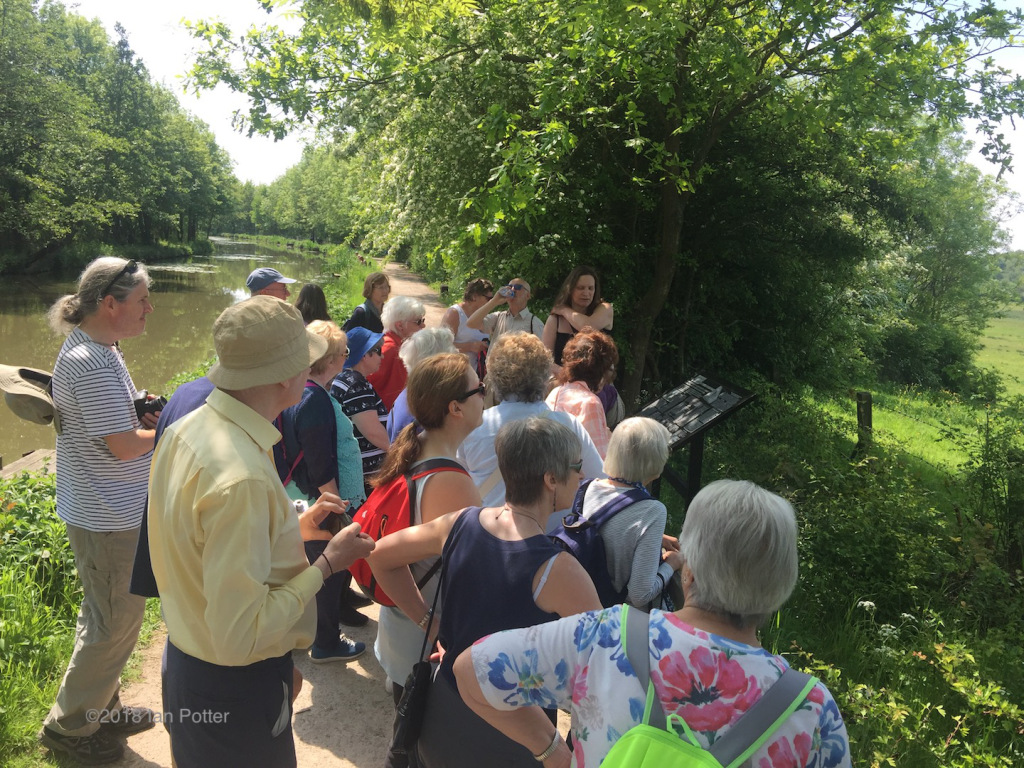
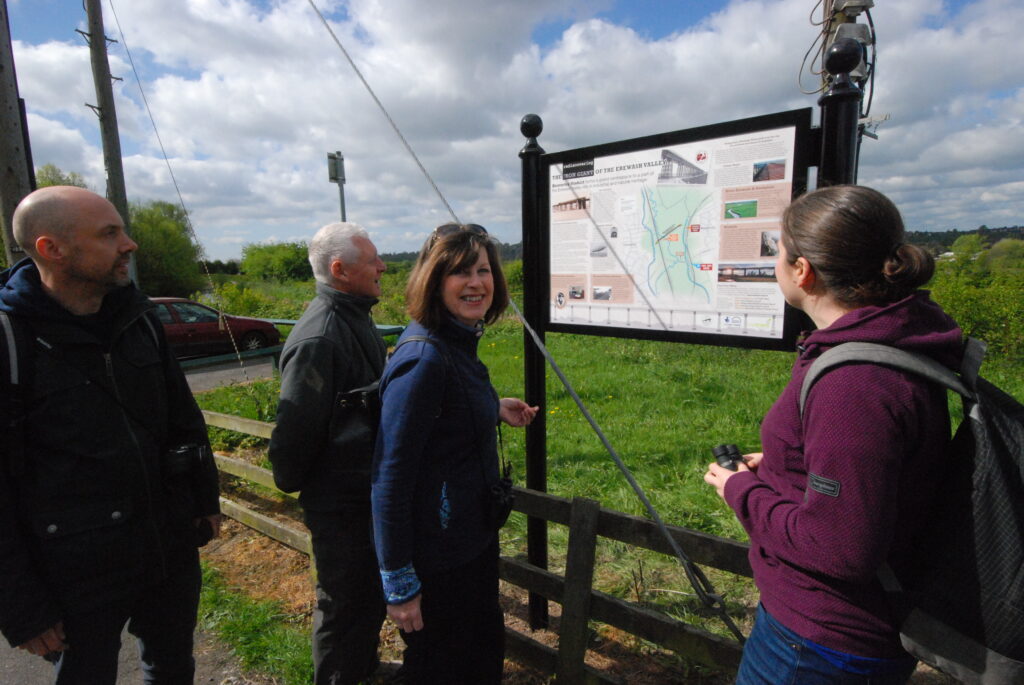
People visiting the viaduct learn about their heritage through interpretation materials, guided walks, leaflets, brochures, websites, videos and guides. There will be much informal learning as families visit the viaduct and become acquainted with its fascinating stories. The viaduct also provides an inspiring educational resource where local children can learn in the great outdoors. A reopened viaduct creates the opportunity for a new generation to learn about the viaduct and to care for it.
Health
The viaduct is the centrepiece of an inspirational green space. The evidence is clear: connecting with nature improves our mental health and sense of well-being. Interacting with nature alleviates mental fatigue by allowing the mind to relax and restore itself; an outside landscape provides a calming space, which can help restore our ability to focus. Experiencing nature helps to restore our mind and outdoor activity has been shown to alleviate symptoms of a range of diseases, stress, and depression. The reopened viaduct creates opportunities for improved health in the community.
Owners, supporters and stakeholders
Owners:
The viaduct is owned by Railway Paths Limited (RPL), a sister charity to Sustrans, the national walking and cycling charity. The Friends group is working in partnership with the owners, RPL, to restore and reopen the viaduct.
Community group:
The Friends of Bennerley Viaduct (FoBV) is an active and thriving community group which has the vision to create an inspirational green space with the viaduct as its centrepiece.
Key financial backers:
The Railway Heritage Trust, the National Lottery Heritage Fund and Historic England are the key financial backers of the project along with the HB Allen Charitable Trust, Charles Hayward Foundation, Broxtowe Borough Council, Pilgrim Trust and Railway Ramblers. Our gratitude is expressed to all financial backers. In addition many other groups and businesses have financially supported the FoBV to bring the viaduct back into use.
Other stakeholders:
Other key stakeholders are the Canals and Rivers Trust (the viaduct will connect the Nottingham and Erewash Canals) and the Environment Agency. Erewash and Broxtowe Borough Councils, Nottinghamshire and Derbyshire County Councils and Awsworth Parish Council have all expressed support. Local MPs have given the project their backing. Adjacent landowners Harworth Estates support the plans to reopen the viaduct.
Special interest groups and businesses:
The campaign to save the viaduct from demolition has been ongoing since 1970. The Arkwright Society and the Association for Industrial Archaeology have been active in this campaign. A wide range of special interest groups currently support the project to restore and reopen the viaduct. These include: historical groups, railway groups, engineering groups, local access groups, wildlife groups, cyclists and ramblers. Many local businesses have also supported the initiative.